Heat Modalities
Heat modalities, from food to hot tubs, do more than just feel good; they trigger predictable physiological responses that influence our health and promote both recovery and regulation in the short term, and adaptations in the long term 🔥
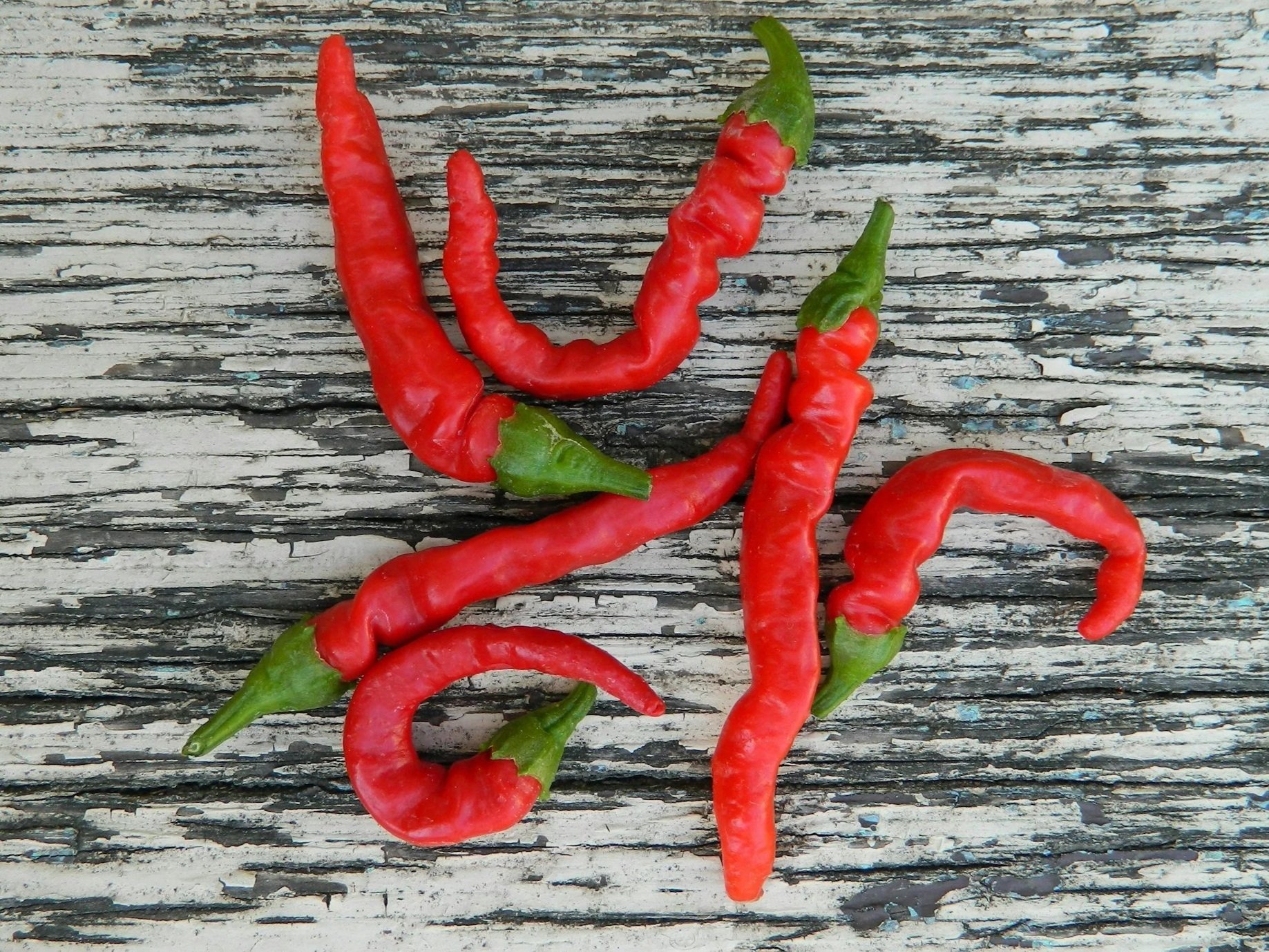
1. Cayenne Pepper
Last weekend in football the playoff matchup featured the Rams vs the Bears, and what a game. It was snowing like crazy and in the single digits temperature at the Chicago Soldier Field stadium, projected to be one of the coldest games in Bears history, and yet some Los Angeles players had some tricks up their sleeve, or rather, shoes. They put Cayenne pepper in their socks to stay warm.

Topical cayenne contains all sorts of molecules like capsaicin, carotenoids, saponins and volatile oils that are great for increasing vasodilation and blood flow to the area, in this case helping warm cold feet on game day. This mechanism can help with local healing by bringing more blood flow to an area, say over a bruise from a tackle. In the wintertime this same mechanism can help effectively treat a devoted fan's nonallergic rhinitis (sneezing & stuffy, drippy nose, sinus pressure, headaches) better than placebo when cheering their team on in the freezing January weather (1). This is because of Capsaicin, the active ingredient of chili peppers that gives them that classic pungent flavor - but don't worry the dosages will be adjusted so your mucous membranes in the nose don't sting quite the same way your mouth does when eating too much spicy food. As a side note, it's great to add to food to help increase peristalsis, or your gut's movement of food that's key to good digestion, because of how it stimulates those nerves.
Spiciness can affect the energetics of the body as well. In TCM (traditional Chinese medicine), spicy foods are classified as “yang” in nature and are known for their ability to "warm" the body and promote the flow of Qi and blood. Yang is the warm, active, and stimulating energy in the body. Whether spicy food is beneficial depends on your specific condition and constitution. For instance, one condition that may benefit from adding some heat through spicy food is the TCM diagnosis of “Cold Painful Obstructive Syndrome.” It is caused by cold energetics and is characterized by severe pain in a joint or muscle with movement limitations (often unilaterally), and would additionally be treated with specific selected acupuncture points. Think of this as your “frozen shoulder” in Western medicine or “Cold Painful Bi” in Eastern medicine/TCM.
Capsaicin can help with reducing pain, as seen with topical products like Tiger Balm or Icy Hot. This works through the Gate Theory of Pain: first, this little compound triggers pain-sensing nerves in the skin, which causes a warm or burning sensation. Those nerves become progressively less sensitive for a long time and stop reacting as strongly to pain signals. This temporary “numbing” effect is why capsaicin is used as a treatment to help relieve different types of pain, from arthritis to football field injuries, with pharmacological effects that are just as effective and may contain less side effects than certain medications. In addition to pain relief, these topical painkillers also help with bruising, muscle strain, ligament sprain, cramps, etc. Capsaicin has also been reported to have a beneficial role in obesity, gastrointestinal and cardiovascular conditions, neurogenic bladder, various cancers, and dermatologic conditions, and more (2).
2. Applying Superficial Heat
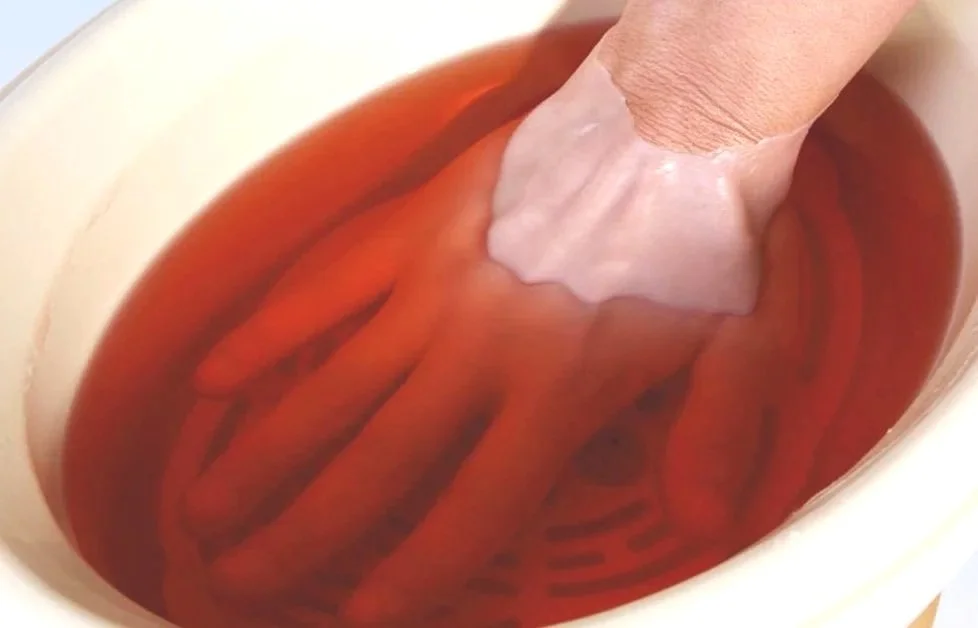
Hot paraffin wax for arthritis treatment can help with pain. Once dipped, you can wrap the wax-coated hands in a bag then layers of fabric to retain warmth and help with moisturization.
Ahhh, let’s not forget about literal warmth for recovery – a good old heating pad has saved my neck on more than one occasion. While not recommended for very acute/new injuries (give it minimum 48 hours to calm down), it can be used down the line for muscle relaxation after watching a stressful game (I’m looking at you, cardiac Bears fans). It can help ease muscles that can cause a tension headache due to their compression around nerves. For more chronic cases like lower back pain from ankylosing spondylitis, regular heat use can ease stiffness and improve flexibility in the long-term, and reduce chronic nagging pain more immediately. Paraffin Wax treatments are another form of heat therapy and are a great method to help ease arthritis pains – it's like giving your achy hands a hug after a long day of work (5). This superficial heat usually heats the first few centimeters of the surface. Fun fact - skin is the largest organ in the human body. Adding moist heat in the form of a compress can be used for similar effects plus opening up pores for clearing acne and soothing the skin, or can be used clinically to alleviate styes or clogged milk ducts for our mamas out there. Moist heat in the form of steam (your hot shower or cool-mist humidifier) can treat respiratory conditions from nasal congestion to bronchitis by loosening thick mucus and soothing those irritated airways and mucous membranes. Simple physics but so much benefit!
3. Sauna
Saunas are an amazing part of my culture. While sauna culture exists in many countries, Russian sauna comes with its own traditions. Stepping into a banya, you feel intense warmth and steam (~170-190°F) that just sends your body into full-on body flush, making you sweat out toxins and boosting circulation. Sweating usually starts once body core temperature reaches a temperature threshold, usually ∼0.4°C above your resting core temperature (3). An extra trick is gently moving around your arms to really get the heat going, but be careful, don't overdo it! One of the most iconic elements of the banya is the use of a venik, or a bundle of dried branches, usually oak, birch, or pine. Gently whipping yourself or friends with the venik sounds funny, but they’ll thank you – it feels wonderfully soothing, stimulating your circulation, and even rejuvenates the skin by increasing its blood flow and giving it some extra exfoliation. Water can be poured over hot rocks to increase humidity and temperature that help keep the banya so hot.

A venik, felt wool hat, and bucket of water are all part of the Russian sauna tradition. Extra scub for skin exfoliation.
You can incorporate aromatherapy by infusing this water with eucalyptus or mint, which can contribute to soothing airways, clearing congestion, and offering mental clarity. Classically a felt wool hat dipped in cool water will be worn to protect from overheating the head and will be repetitively re-dipped upon drying. And then there’s the dramatic rush of contrast therapy when alternating between the sauna’s intense heat and plunging into cold water or rolling in the snow. This sharp contrast gets your blood vessels to constrict and then expand, superchanging your circulation and metabolism like nothing else. The social atmosphere itself can reduce stress and help cut back the tensions of daily life. Regular use of the banya is linked to improved heart health, lower blood pressure, and even a longer life, thanks to the combined effects on circulation and stress reduction. With its mix of physical, mental, and social wellness, the banya is an amazing rejuvenating ritual that’s healed many generations. There are many other traditions and sauna types, from wet to dry, worth exploring further.
4. Hot Tubs
One study found hot water immersion may be even better than some forms of sauna, such as dry or infrared (3). Elevations in the skin and body core temperature are even more intense since sweating isn't efficient. Sweating cools you by expelling heat through the skin, which evaporates and thus cools your skin temperature. Not the same when surrounded by hot water with nowhere for the heat to evaporate. Sweating occurs by activating the thermoregulatory centers in the hypothalamus, a part of your brain that senses how hot/cold the outside is. This part of the brain is responsible for making your entire body shiver and get goosebumps to conserve heat when it's cold, or for initiating sweating and vasodilation of the skin to get rid of extra heat. Blood flow to the skin can increase as much as 4.5–7 L/min above resting during passive heat stress like sitting in a hot tub (3).
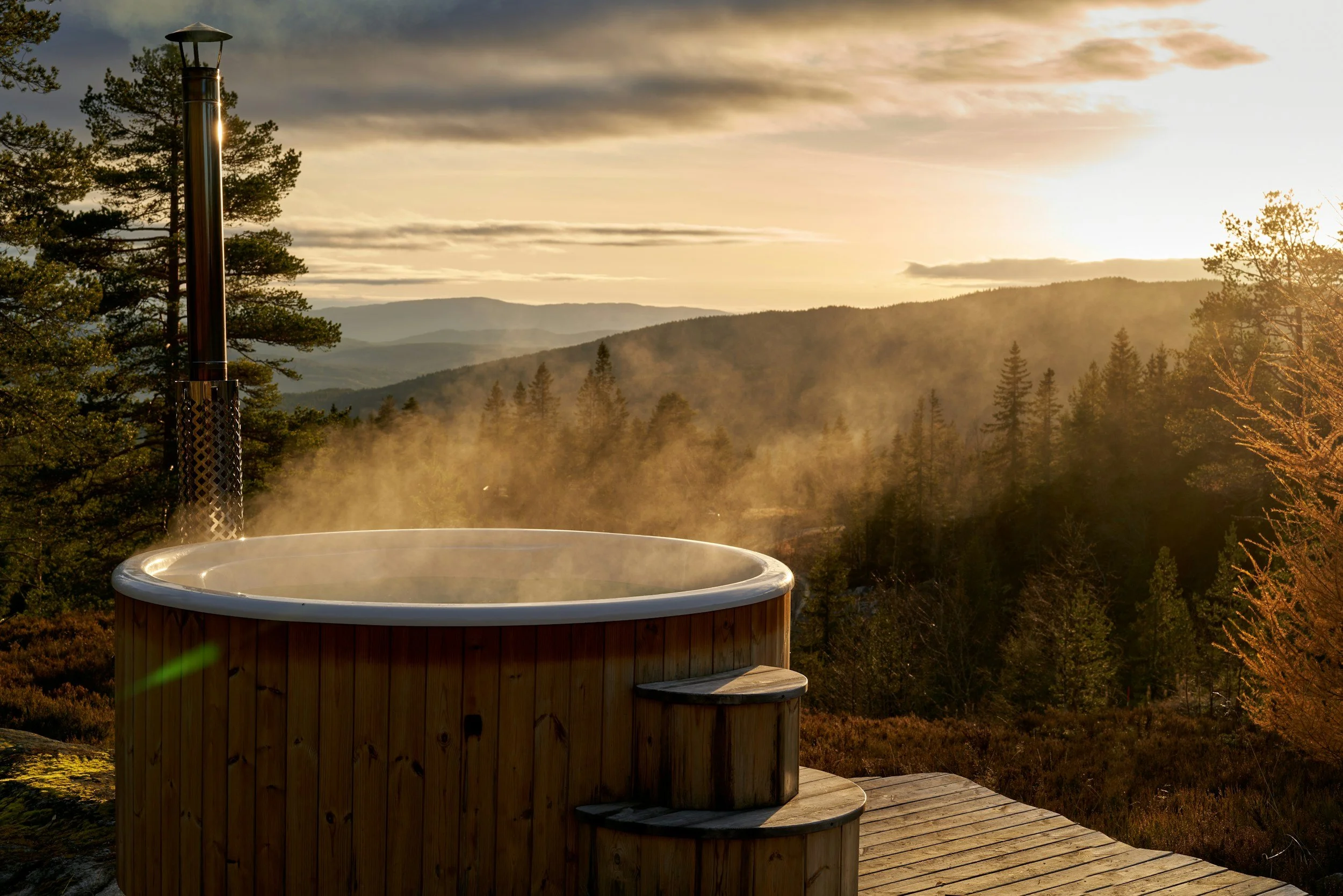
In addition to many benefits discussed with Russian sauna, you get the added benefit of the water “hugging you”. It exerts hydrostatic pressure on your body, which helps make venous blood return back to the heart more efficiently and increases cardiac filling pressure. The mechanism is similar to compression socks which help squeeze the venous blood back, but for your entire body. Another long term adaption with regular immersion includes increased arterial compliance where your arteries remain “flexible” (3). When arteries are flexible, they can expand with each heartbeat and help blood flow smoothly. This generally lowers blood pressure (or allows for increases as necessary), reduces strain on the heart, and improves circulation. When arteries get too stiff, as seen with atherosclerosis, blood pressure goes up and the risk of heart disease increases.
Heat therapy is beneficial in increasing not just the blood flow in the moment, but builds up cardiovascular health by making the involved structures (heart, arteries, etc.) stronger. Intermittent increases in what's called “anterograde shear” are observed. Shear stress is the friction of blood moving along artery walls. Smooth forward flow away from the heart (aka “anterograde shear”) is good for vessel health, while brief backward or disturbed flow is linked to damage and disease. Increasing blood flow boosts the helpful forward shear, and higher resistance causes more harmful backward shear. Heat therapy increases forward flow and reduces disturbed flow, which helps improve blood vessel function, especially in older adults or those with circulation problems. Other effects of improving your anterograde shear include increasing nitrous oxide bioavailability (helps naturally relax arteries when needed), reducing oxidative stress which can damage cells, increasing T anti-inflammatory factors, decreasing vasoconstriction, improving endothelial function, and reducing risk of atherosclerosis (3). Heart disease is the leading cause of death in the United States today, so any evidence-based strategies preventing, delaying, and even reducing the development of cardiovascular disease are worthwhile (4). Preventing illness is far easier than treating it once it develops.
While long-term use of heat modalities can come with certain health benefits and even adaptation, it is safest not to push your health boundaries – you do not want to stay in the heat until you pass out. Likewise generally avoid excess heat with existing cardiovascular problems, pregnancy, and other conditions due to the more immediate effects of stress on the cardiovascular system or limited capacity to remove heat from the body. Always ask your Dr for advice for your situation as heat and capsicum are not for everyone and depend on your underlying conditions, contraindications ranging from allergy to diabetes and neuropathy.
References
Bernstein JA, Davis BP, Picard JK, Cooper JP, Zheng S, Levin LS. A randomized, double-blind, parallel trial comparing capsaicin nasal spray with placebo in subjects with a significant component of nonallergic rhinitis. Ann Allergy Asthma Immunol. 2011 Aug;107(2):171-8. doi: 10.1016/j.anai.2011.05.016. Epub 2011 Jun 29. PMID: 21802026; PMCID: PMC8209653.
Sharma SK, Vij AS, Sharma M. Mechanisms and clinical uses of capsaicin. Eur J Pharmacol. 2013 Nov 15;720(1-3):55-62. doi: 10.1016/j.ejphar.2013.10.053. Epub 2013 Nov 5. PMID: 24211679.
Heat therapy: mechanistic underpinnings and applications to cardiovascular health. Vienna E. Brunt and Christopher T. Minson. Journal of Applied Physiology 2021 130:6, 1684-1704 https://journals.physiology.org/doi/full/10.1152/japplphysiol.00141.2020
https://www.cdc.gov/heart-disease/data-research/facts-stats/index.html
Dilek B, Gözüm M, Şahin E, Baydar M, Ergör G, El O, Bircan Ç, Gülbahar S. Efficacy of paraffin bath therapy in hand osteoarthritis: a single-blinded randomized controlled trial. Arch Phys Med Rehabil. 2013 Apr;94(4):642-9. doi: 10.1016/j.apmr.2012.11.024. Epub 2012 Nov 24. PMID: 23187044.
