
Meet the Team
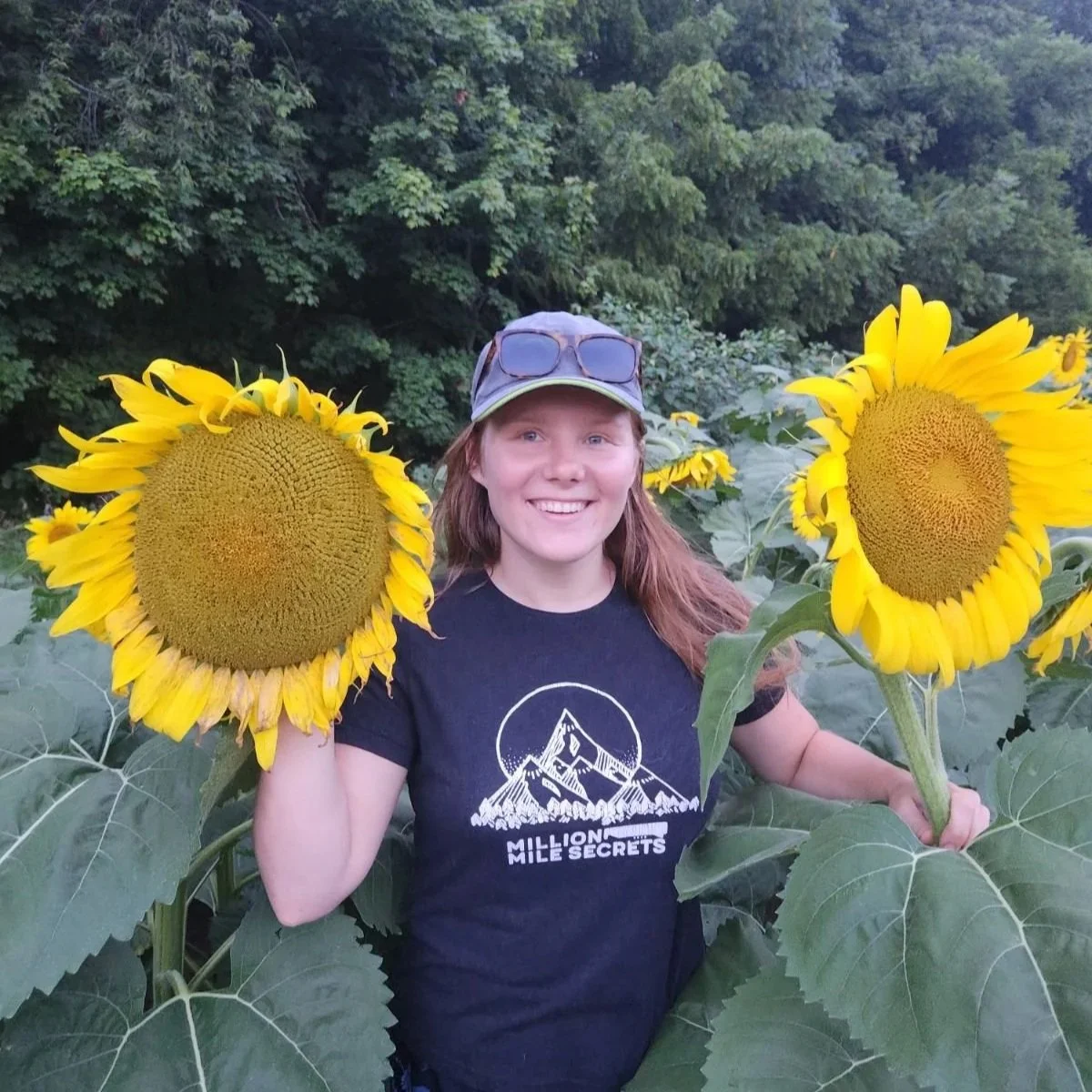
Maria Schilling, DC
Before finishing my DC doctorate at NUHS (see below) in Dec ‘25, I graduated DePaul with a degree in Biological Sciences. This basis helped me understand chiropractic and human medicine because it explains the origins of body’s kinetics, how it heals, what we evolved to eat (and when), how we co-evolved with microbes and our gut flora, and how modern lifestyles can challenge systems that evolved over thousands of years.
Over the years I’ve fallen in love with a range of sports; horse back riding, snowboarding, swimming, water polo, motocross, rock climbing, skydiving, etc. I’ve learned the importance of using correct movement patterns and other such preventative care to maintain functionality throughout life. I also learned recovery techniques for both post-workout and injury rehabilitation that can be applied to many different sports.
Teaching is an important aspect of being a doctor as I believe patient education is a key aspect of health. I aim to share my knowledge through blogs with commitment in making education accessible to everyone. I taught motorcycle licensure classes through the MSF as well as coaching skydiving and parachute packing classes. It is always fun connecting with people and finding which methods click for them individually as we are all different learners. This applies to supporting and educating patients at every visit.
Regarding chiropractic fundamentals, I have learned a lot from Dr. Brown the last year before graduating, from various techniques to the science behind bodywork. I found further inspiration in reading Job’s Body, a book gifted to me by Dr. Brown that has influenced how I practice.
I believe life is short and we need to live every day to the fullest. Everything has its pros and cons to weigh — there’s always a positive side, you just need to find it. 🌻

Rick Brown, DC
Picture and full bio coming soon
A Degree from NUHS
Receiving a Doctorate degree from NUHS provided a thorough background in internal medicine. A variety of courses were provided as part of the thorough curriculum, covering topics ranging from lab diagnostics, the biochemistry of nutrition, phlebotomy, and functional medicine to a full year of cadaver anatomy dissections. The curriculum included a year-long clinical internship, giving students extensive hands-on experience in diagnosing and treating patients.