Cold Modalities
Cold modalities, from ice packs to cold plunges, apply controlled stress that elicits predictable physiological responses, supporting short-term recovery and regulation and driving long-term adaptation 🧊
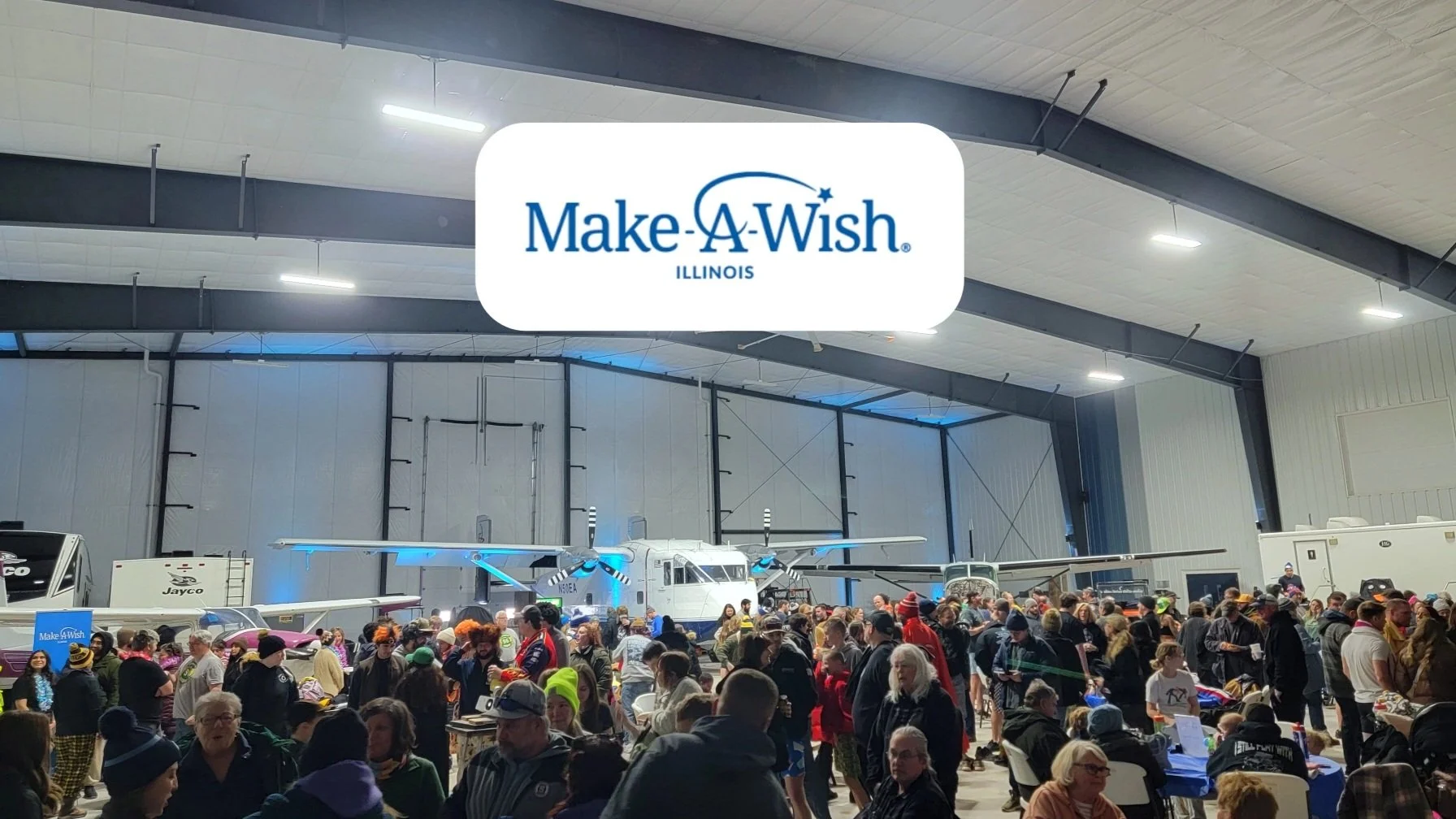
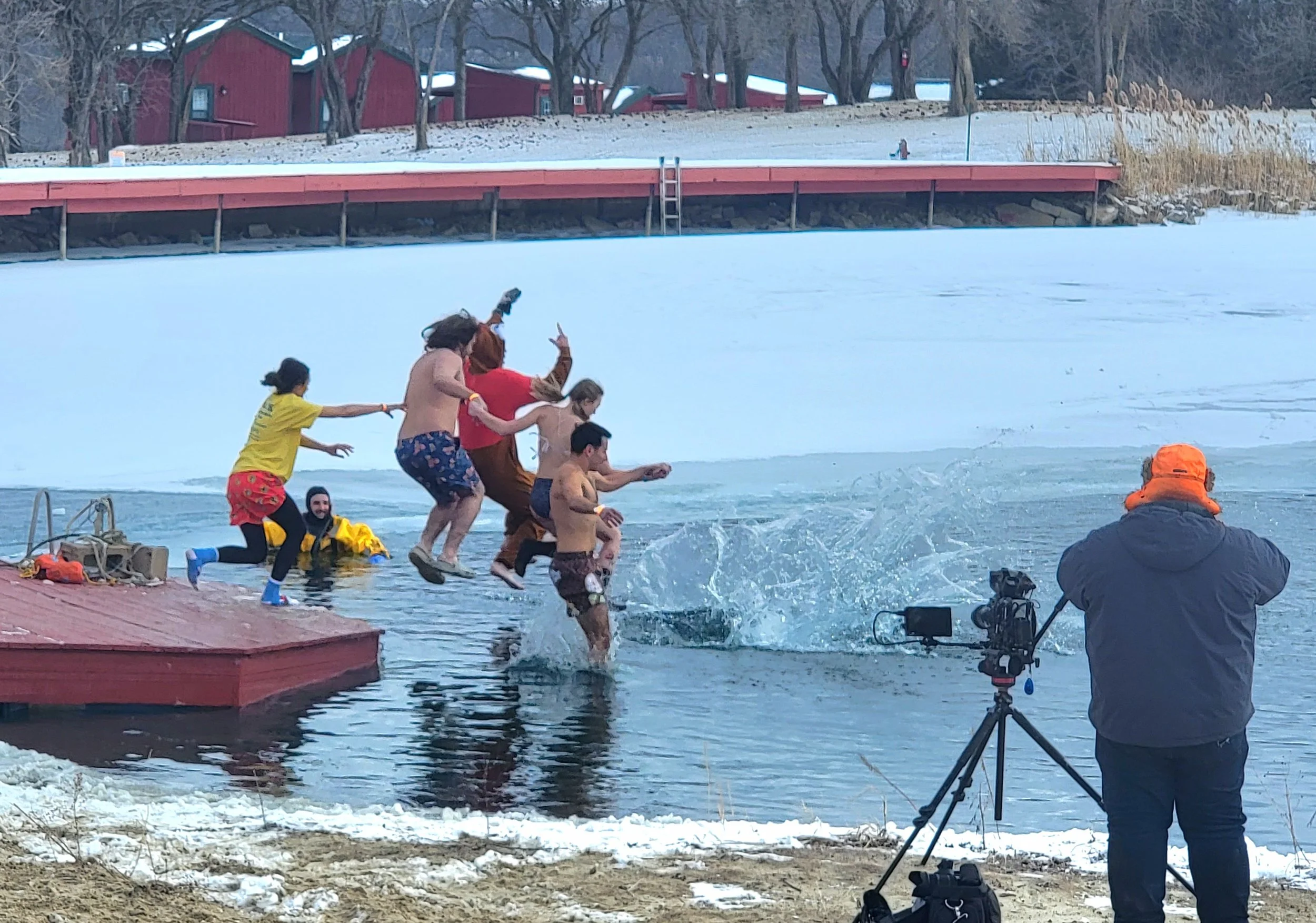
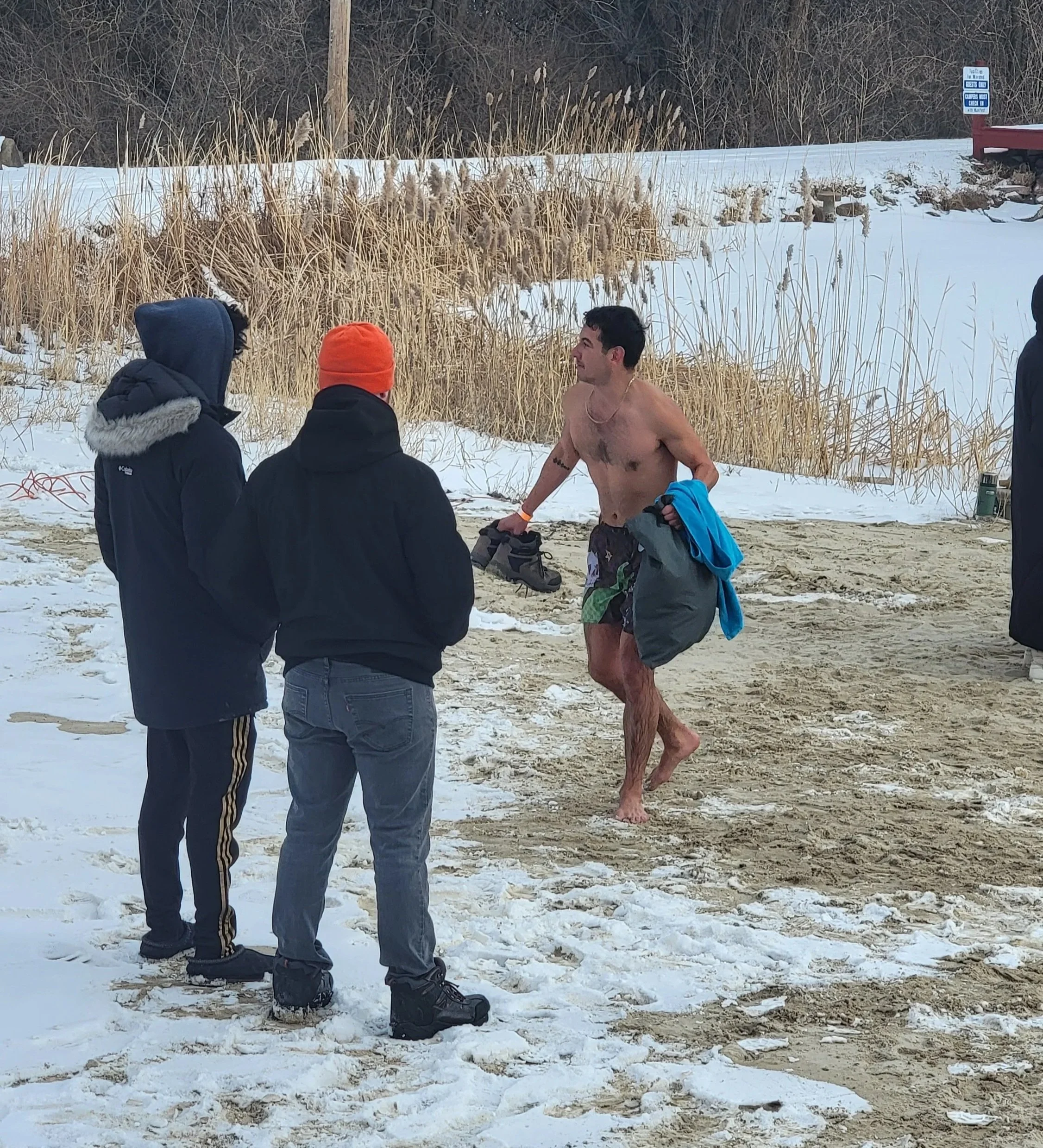
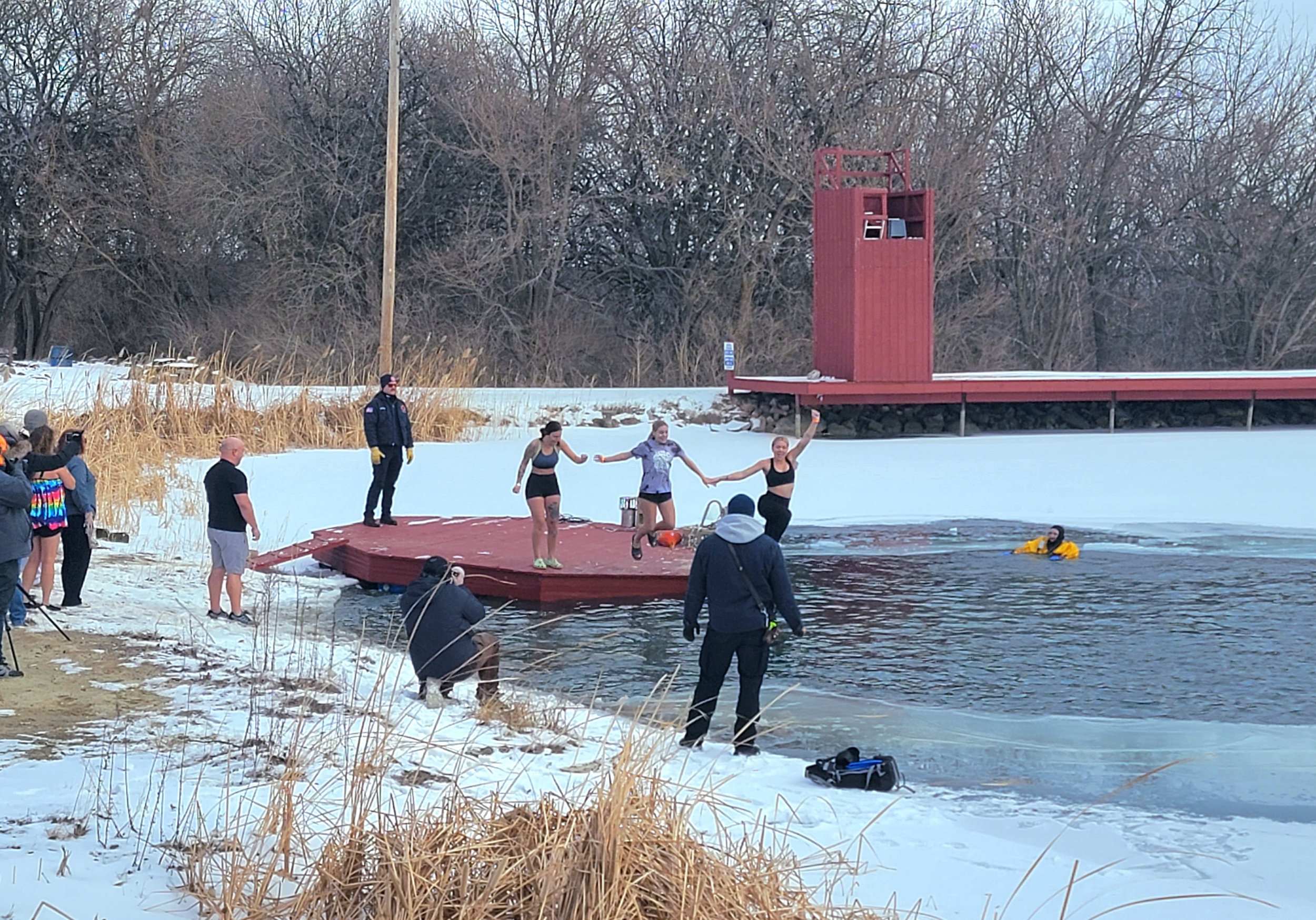
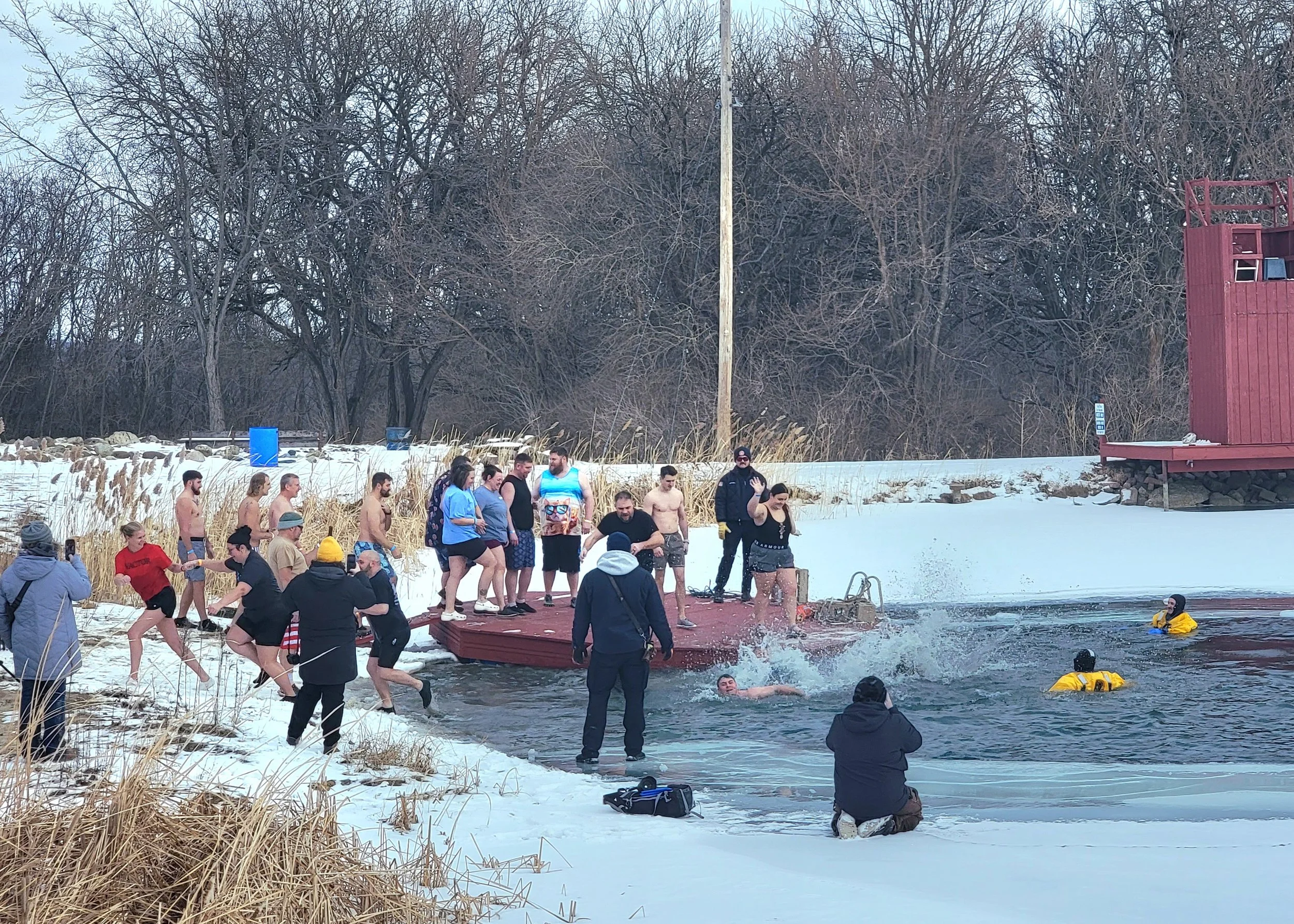
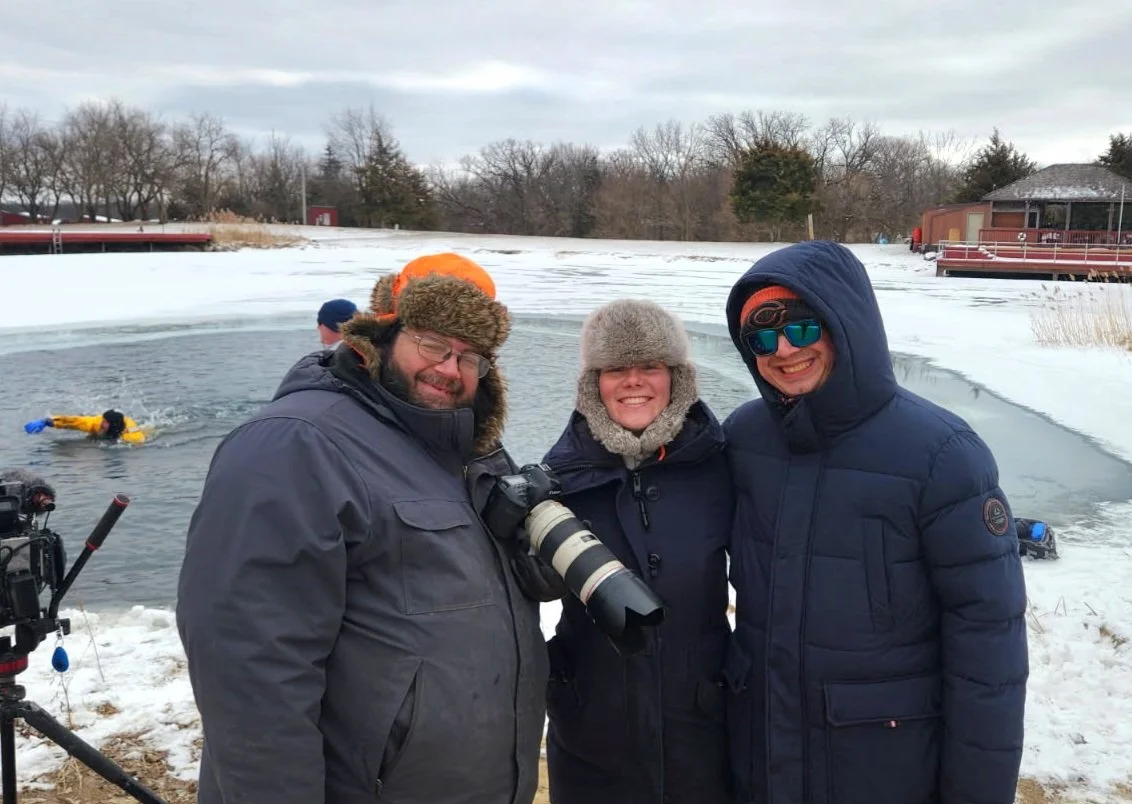
Last weekend Skydive Chicago hosted their 3rd annual Make-A-Wish® Illinois Penguin Plunge Winter Festival.
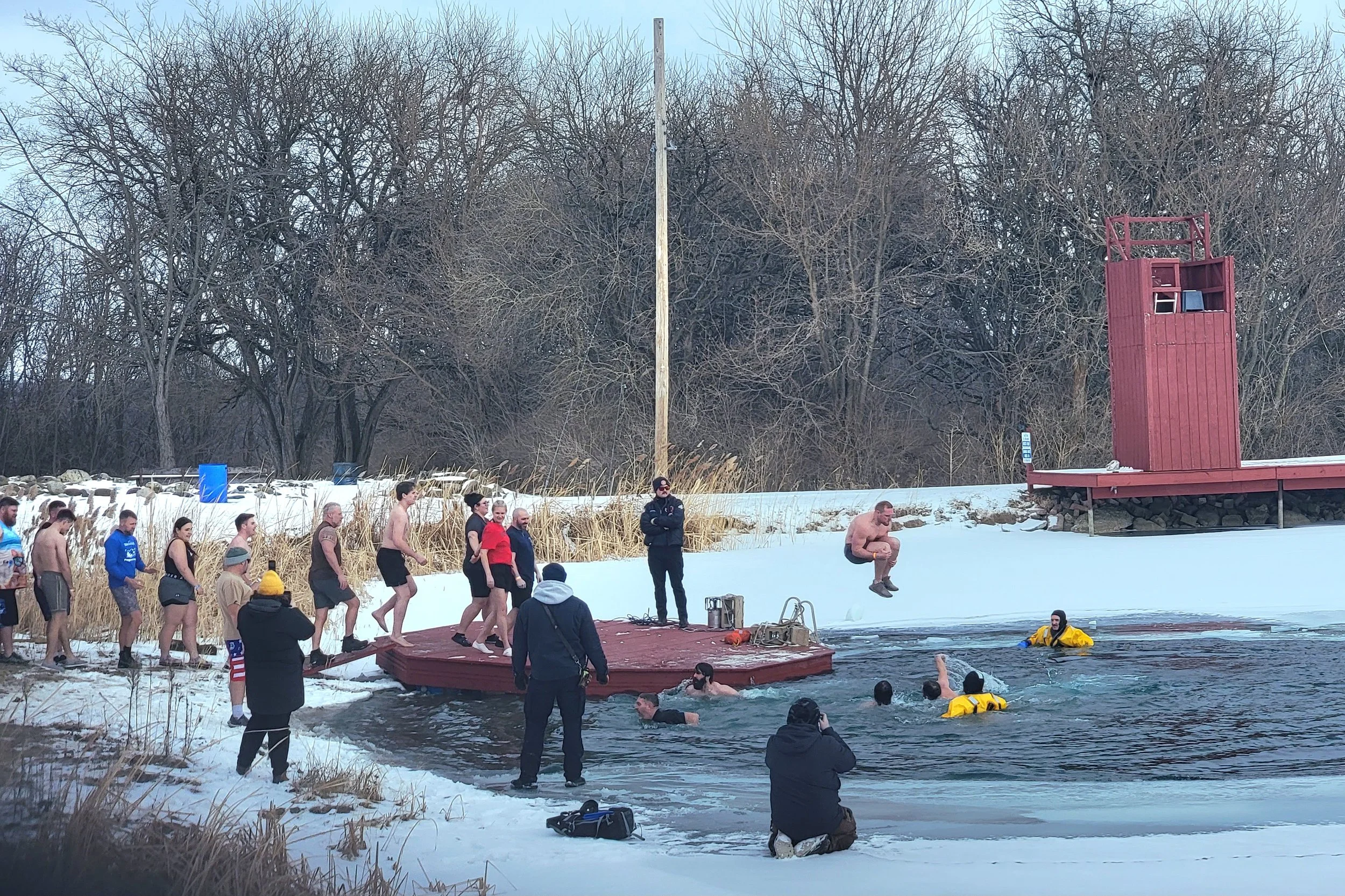
All are welcome to attend for food, drinks, or just hanging out in the hangar, but the main event truly began when over 100 people, as individuals or teams, jumped into the freezing cold pond. Those people who braved the waters for a few seconds also raised support to grant wishes for very brave local children with critical illnesses. The Make-A-Wish Foundation is a nonprofit organization that make life-changing wishes come true for sick children with critical illnesses, bringing hope, strength, and joy to them and their families. Influence ranges from celebrities and corporate sponsorships to individual communities coming together as seen here this weekend. Did you know that actor and WWE superstar John Cena was recognized by the Guinness Book of World Records for the most wishes granted through the Make-A-Wish foundation, coming in at 650 (and many more since)? So be it our actions or money donations, we are capable of achieve positive change for families in our communities. Find ways to help or donate by clicking this link.
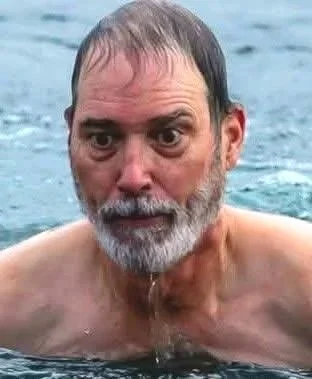
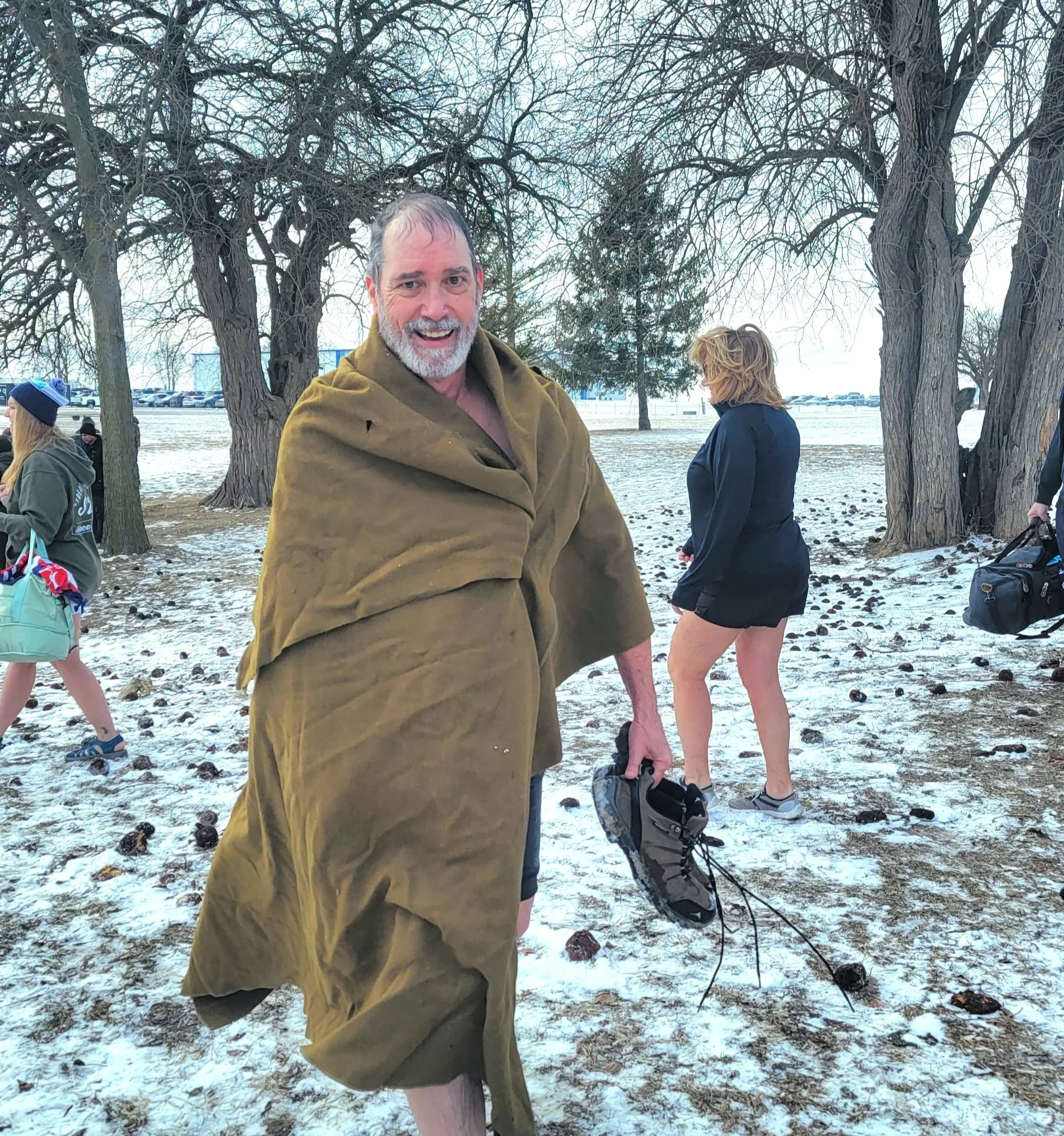
The face of regret
Plunging definitely has its own risks involved, and an emergency vehicle, personnel, and wetsuit divers were on standby — frostbite, shock or hypothermia can become realities of overexposure. But did all those who plunged get sick or feel worse afterward?
Well, everyone's heard that all is well in moderation, even good things. But the opposite is true too - having a little bit of a bad thing can, apparently, have beneficial effects sometimes. Enter the concept of Hormesis…
Hormesis is when a small amount of stress is actually good for the body, helping it become stronger or more resilient. Low doses of things like exercise, heat, cold, or even certain toxins can trigger repair and adaptation in the body. But of course at high levels, those same stresses can be harmful. For example if you're chronically stressed at work and always living in sympathetic “fight or flight” mode you'll just burn out and wreak havoc on your nervous system; there's too much of a bad thing. But if you occasionally give a relatively smaller stressor, like jumping into a cold pond or going skydiving, it may have its health benefits.
When talking specifically about cold water immersion (CWI), safe duration depends on both experience and water temperature. It’s usually below 50°F, but often much colder in frozen ponds like this one — that thick ice layer had to be broken up days before the event. Dunk sessions can be continuous or in short intervals, starting around 30-60 seconds and gradually building to 5-10 minutes, although the “ideal timing” is still being researched.
So, how does this actually work, physiologically speaking?
Data analysis of one review (3177 total participants) showed an increase in inflammation immediately after and until 1 hour after the CWI indicating an acute inflammatory response in the body (1). This is not necessarily a bad thing. First of all, there was a significant decrease in overall stress 12 hours after the CWI exposure. Secondly, that initial inflammation burst can actually activate the immune system. This shock triggers a rapid increase in stress hormones (like norepinephrine or cortisol) and inflammatory markers, which stimulates the body’s immune cell activity (3). If we zoom in on the biochemistry, we’re raising leukocyte and monocyte levels (white blood cells that clear infections and support tissue repair), elevating metabolism and peripheral catecholamines (like dopamine, norepinephrine, epinephrine), improving insulin sensitivity, reduce infection risk, regulate fat metabolism, and lower triglyceride levels (5). There are no significant effects on immune function immediately or 1 hour post-CWI, however longer-term benefits include a giant 29% reduction in sickness absence among those who take cold showers, something you can do at home as part of your daily routine (1).
❄️ For the athletes, CWI supports exercise recovery and performance by limiting the muscle damage post-workout, and potential resulting inflammation from this damage (4). Every time you workout, you get micro-tears in your muscle fibers, and that’s kind of the point - it’s what makes your muscles get stronger and bigger. Therefore, CWI can directly help you reduce soreness and regain performance more quickly after an intense workout. You’re speeding up the recovery of the physical muscle function and also improving your perceived feelings of recovery (3). Side note! This mechanism of literally freezing inflammation in its tracks is also why its best to apply an ice pack to a new injury within minutes of it first happening, and then intermittently throughout the acute phase of healing (first 48 hours or so). If you’re quick enough within minutes, the inflammatory cascade will not blow out of proportions and go through a full response; in other words, immediate icing decreases swelling and redness compared to leaving it be. After those first minutes, icepacks have additional benefits of reducing pain because of Pain Gate Theory. Your skin cells experience both pain and temperature on the same type of nerve fiber (type C), but can only convey one of these at a time to the brain. When your brain perceives the cold pack, that’s your nervous system prioritizing temperature signals over pain messages — that’s one of the ways the cold works.
❄️ For my fellow brainiacs, CWI appears to activate powerful neurochemical and brain-regulating processes, so you're directly impacting your CNS (central nervous system = brain + spinal cord). It can sharpen mental resilience, and boost your mood (despite the initial shock and regret) and overall well being in the long-term (5). Improvements were also observed in sleep quality and quality of life (1). Other adaptations include long-term resilience for better stress management, like work stress or recovering from jump scares in your husband's favorite movies. CWI is a research-based modality for stress and well being, and its effects are time dependent, so the more you partake in CWI the more advantages you get in the long-term (1).
❄️ For those who don't want to participate because it’s freeeeeeezing cold and this sucks, there are other ways to use cold modalities for health benefits. The simplest addition to your daily schedule can be washing your face with cold water — this induces relaxation in seconds. It’s like hitting the reset button on your vagus nerve, responsible for “rest and digest” functions and calmness in the body. You plunge your face in, and suddenly you’ve activated the diving response, a reflex present in all air-breathing vertebrates (6). It slows your heart rate, and flips you from stress/anxiety into calmness by directly stimulating the nerves in your face. Here’s another fun fact for the wintertime: we don't sense heat/cold the same everywhere on our body! Some spots are packed with cold sensors, for instance, your hands have 1-5 cold receptors per square centimeter than warm receptors. Conversely, your face has 10 cold spots for every 2 warm ones. No wonder we need gloves and a face balaclava on days like these.
For now, while we hide in our scarves and snow boots, let's make the most of this winter season and embrace the benefits it brings us. Cold modalities are a very great, free, and accessible way to restore anything from peace of mind to the physical biochemical processes in your bloodstream and muscles.
References
Cain T, Brinsley J, Bennett H, Nelson M, Maher C, Singh B. Effects of cold-water immersion on health and wellbeing: A systematic review and meta-analysis. PLoS One. 2025 Jan 29;20(1):e0317615. doi: 10.1371/journal.pone.0317615. PMID: 39879231; PMCID: PMC11778651.
Jagim, A. (2024, January 30). Can taking a cold plunge after your workout be beneficial? Mayo Clinic Health System. https://www.mayoclinichealthsystem.org/hometown-health/speaking-of-health/cold-plunge-after-workouts#:~:text=Water%20should%20be%2050%20F,physical%20performance%20the%20next%20day
Cain, T., Brinsley, J., Bennett, H., Nelson, M., Maher, C., & Singh, B. (2025). Effects of cold‑water immersion on health and wellbeing: A systematic review and meta‑analysis. PLOS ONE, 20(1), Article e0317615. https://doi.org/10.1371/journal.pone.0317615
Piñero, A., Burke, R., Augustin, F., Mohan, A. E., DeJesus, K., Sapuppo, M., Weisenthal, M., Coleman, M., Androulakis‑Korakakis, P., Grgic, J., Swinton, P. A., & Schoenfeld, B. J. (2024). Throwing cold water on muscle growth: A systematic review with meta‑analysis of the effects of post‑exercise cold water immersion on resistance training‑induced hypertrophy. European Journal of Sport Science, 24(2), 177–189. https://doi.org/10.1002/ejsc.12074 (ovid.com)
López-Ojeda W, Hurley RA. Cold-Water Immersion: Neurohormesis and Possible Implications for Clinical Neurosciences. J Neuropsychiatry Clin Neurosci. 2024 Summer;36(3):A4-177. doi: 10.1176/appi.neuropsych.20240053. PMID: 38986020.
Richer R, Zenkner J, Küderle A, Rohleder N, Eskofier BM. Vagus activation by Cold Face Test reduces acute psychosocial stress responses. Sci Rep. 2022 Nov 10;12(1):19270. doi: 10.1038/s41598-022-23222-9. PMID: 36357459; PMCID: PMC9649023.
