The Webster Technique

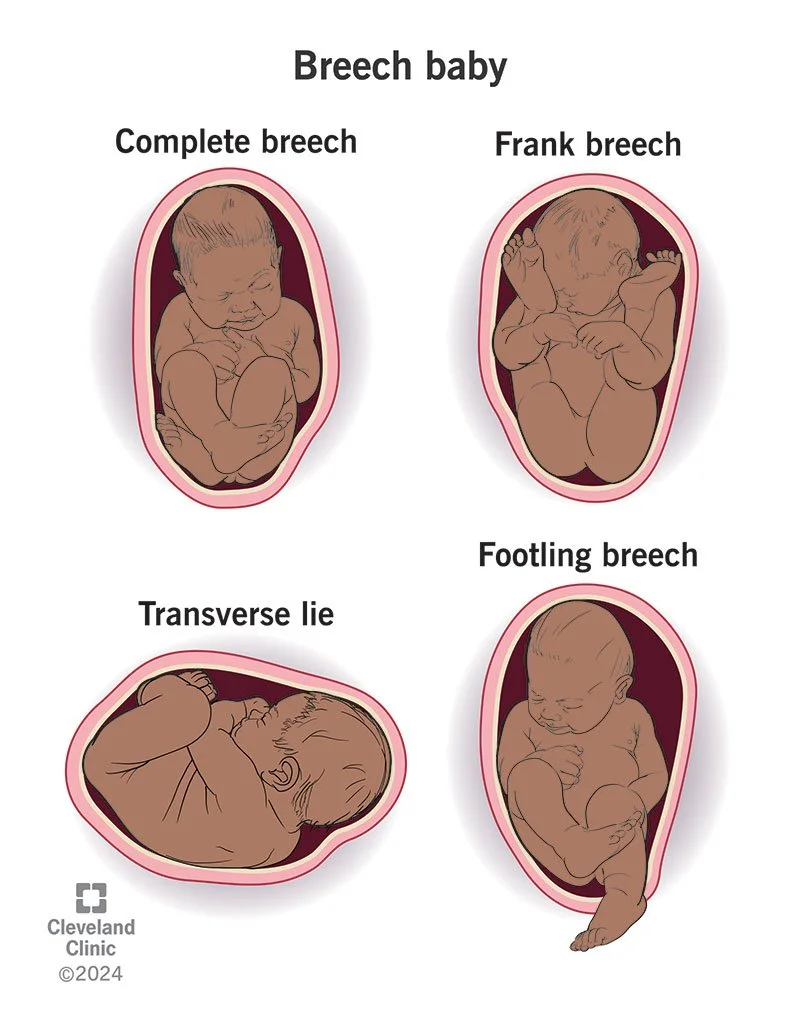
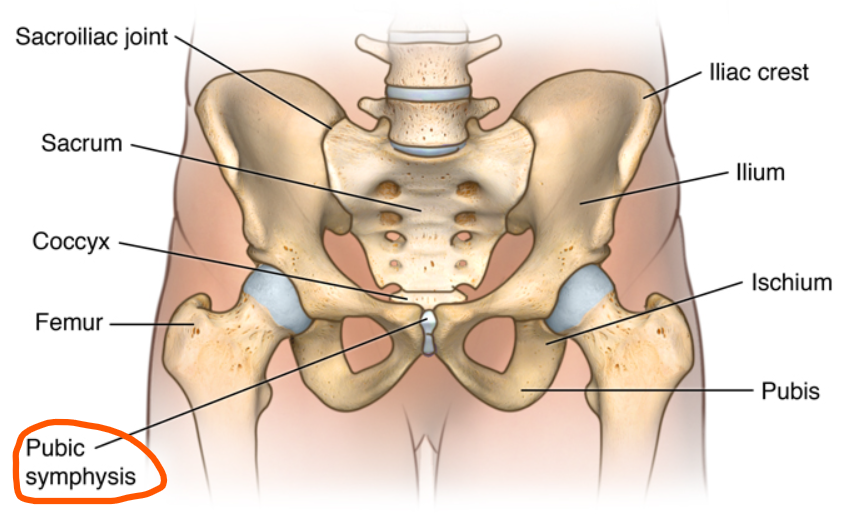
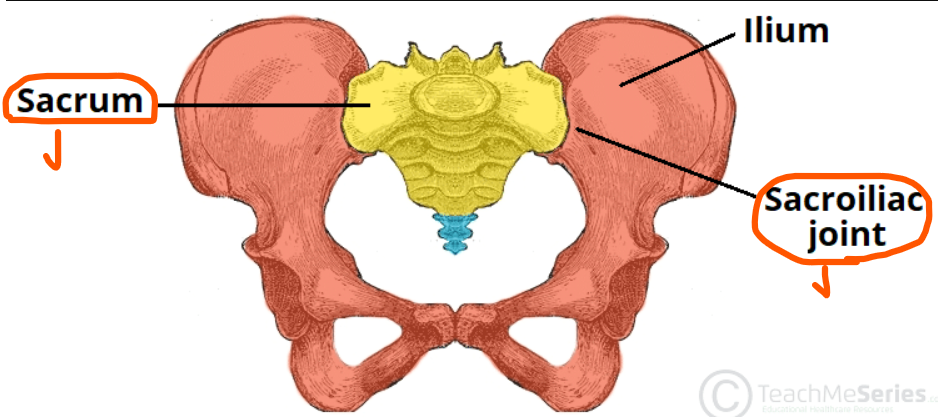
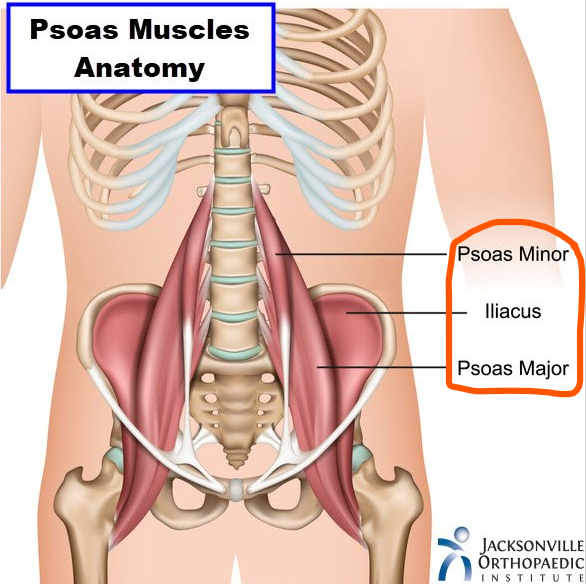
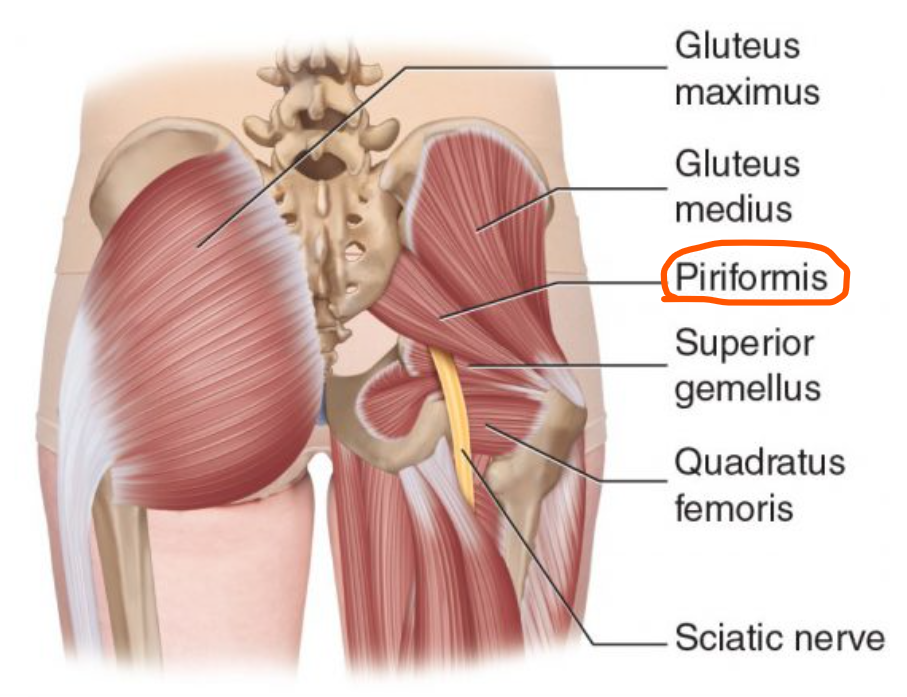
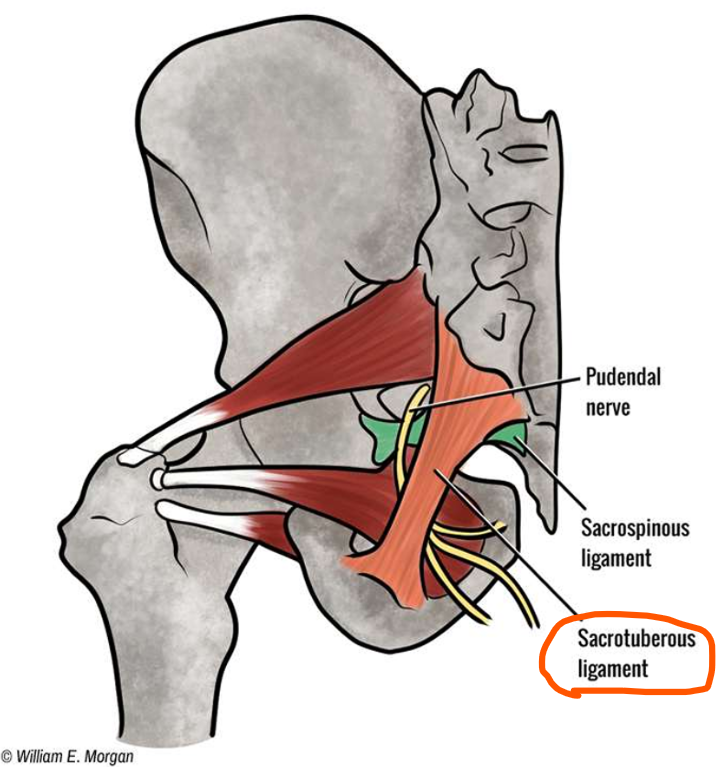
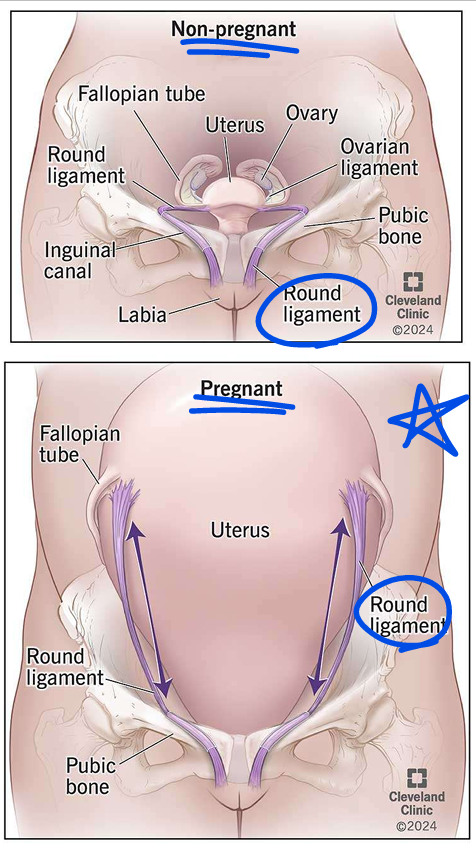
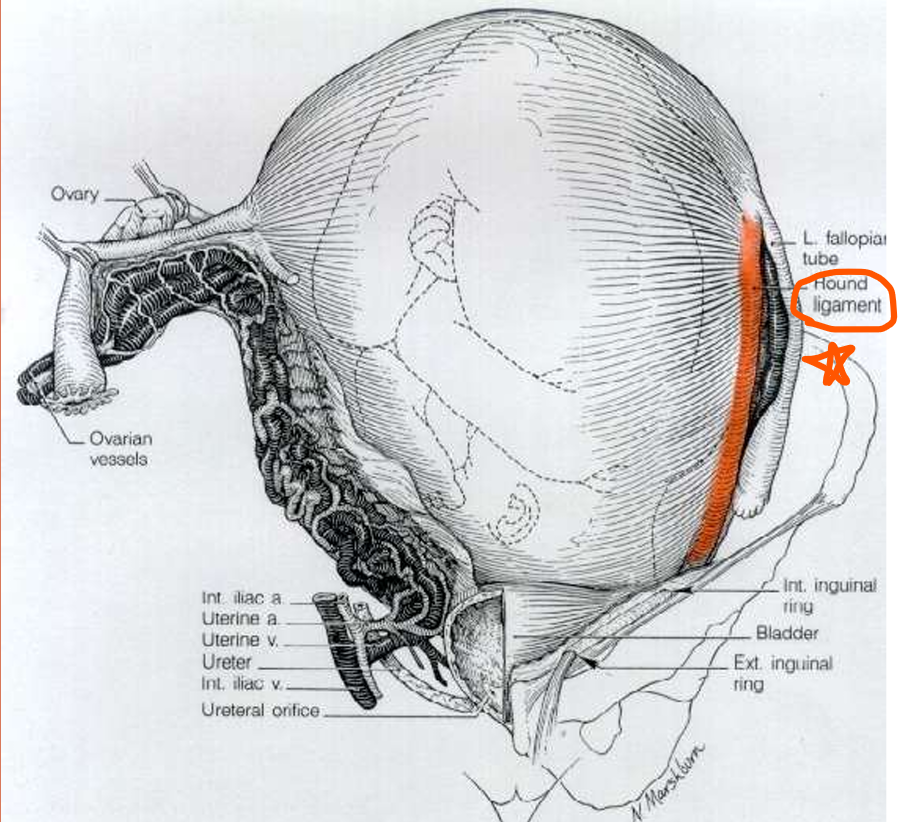
Above are images of the target tissues. Click to expand.
“Chiropractic Today for a Better World Tomorrow.”
The Webster Technique is a specific chiropractic analysis & adjustment that reduces nervous system stress, balances pelvic bones, muscles & ligaments, and optimizes the mother’s pelvic function in pregnancy and birth. This treatment involves major joints, ligaments, and muscles that affect your pelvic movement and function. You may have heard about this in a conversation on breeched babies, ligamentous pain due to pregnancy, or regarding preparing your body for birth.
I first learned about this technique in school, and decided to take the seminar while pregnant and just before graduating in Dec ‘25. And so, I became a member of the ICPA (International Chiropractic Pediatric Association) which opened up my continuing education opportunities so that I was better equipped to help my future pregnant patients, and also experience it firsthand in the coming months of my own journey. This course was taught by the amazing Dr. Jen Santos (see above), who was truly inspiring in the way she conveyed how we as chiropractors can truly help women feel better in this delicate, transformative, and critically important time. She also highlighted the wide range of birthing options available beyond the traditional hospital route — knowledge that many people should have access to but often do not.
The ICPA is a community of 9,000 chiropractors dedicated to serving families. By providing gentle, individualized chiropractic care, members strengthen families and communities while helping create a better future. Guided by the vision “Chiropractic Today for a Better World Tomorrow,” ICPA offers continuing education and advanced training, including Webster, Perinatal, Pediatric, and Diplomate certifications.
Founded in 1986 by Dr. Larry Webster, ICPA has grown from a single vision into a global organization supporting family health worldwide. The association promotes evidence-informed clinical practice through research participation, a Practice-Based Research Network, and the development of care protocols based on published findings.
This technique was created by Dr. Webster in hopes of helping women with easier deliveries after helping his daughter Lucinda gave birth to her baby girl in 1976. His goal was to develop an adjustment “for laboring women to help with the ease of birth” — he taught other chiropractors his technique, and they reported more and more positive birth outcomes. The course has evolved further with time and evidence and now teaches a 6-step process.
Adjustment to the mother is the practice of Chiropractic any treatment of the baby is the practice of Obstetrics and outside on our scope of practice. Therefore ICPA does not endorse the use of Webster’s as a treatment for fetal malposition or in-utero constraint. Rather than directly turning a baby, the technique focuses on improving pelvic balance and function by gently adjusting the sacrum and addressing tension in surrounding muscles and ligaments (i.e. those round ligaments that may have let you know of themselves already, ouch!). By improving neuromuscular function and pelvic alignment, the Webster Technique aims to create a more balanced environment in the uterus, which may allow the baby to move into a more optimal position naturally. It is a gentle, noninvasive approach that is widely used by chiropractors trained in prenatal care.
The external cephalic version (ECV) is a more invasive procedure applied by manually turning the breeched baby using external abdominal pressure, whereas the Webster Technique is a gentle chiropractic approach focused on mom’s pelvic balance.
By relieving muscle and ligament tension and improving neurological input through gentle adjustments, we can work on your pelvic biomechanics and create a more comfortable environment.
So anyway, what on earth is a “balanced pelvis”?
As with all chiropractic adjustments, our intent is to improve the nervous system so the body can function better. Adjustments address joint restrictions that may affect the nerves exiting at the spinal cord, so improving their environment may in return improve muscle/organ function. Thus adjusting can promote both motor and sensory nerve signaling between the brain and the muscles themselves.
As with all sacral adjustments specifically, the biomechanics (motion, joint mobility) of the spine and pelvis are improved. This eventually impacts the passage through which baby arrives as movement of the sacrum becomes important during childbirth too.
As a result, this balanced pelvis does not have any undue tension in the attached muscles and ligaments, and thus everything in the area functions much better. In pregnant women, any uneven pulling on these muscles and ligaments may be restricting the baby’s ability to get into the best possible position for birth.
Although most frequently used with pregnant women, this analysis and adjustment can be used on any weight bearing individual.
Below is a video made by Serola Biomechanics demonstrating sacral motion in various planes:
