Electrolytes
This article describes a few easy best practices for dealing with cramps for athletes, during pregnancy & breastfeeding, for the elderly, those on diuretics and others

Visible salt forms on the shirt of athlete Aly Nunez as she loses electrolytes via sweat when participating in the Ironman World Championships. This is an extreme example, most of us don’t lose much sodium at all.
Nighttime leg cramps can become more common in pregnancy, especially in the calves and feet in the second and third trimesters. While they may be common, it doesn't mean you have to deal with pain! There are plenty of solutions to try for avoiding these suckers.
Cramps can occur due to overactive nerve signals going to the muscle and telling it to contract over and over. This motor neuron hyperexcitability can come from electrolyte imbalances or metabolic disturbances (1).
One fun quick-fix is sour flavor. Many football teams have sour pickle juice or mustard packets on the sidelines for a quick solution. It's the acidity from the vinegar in the pickle juice that works, not electrolytes per se, as those wouldn't act this fast (you’d have to ingest them first). The way it works is that TRP receptors in mouth/throat will send rapid response signals down spinal cord. This sudden input resets the reflex arc between the nerve and muscle, and immediately shuts down the cramp signals. Your mind can only process so many signals at once, which is also why sour flavor can work for panic attacks or high mental stress because of the brain distraction. While this can potentially help relieve your leg cramp, it may paradoxically cause your jaw to cramp from the sourness! So lets get to some real underlying causes here…
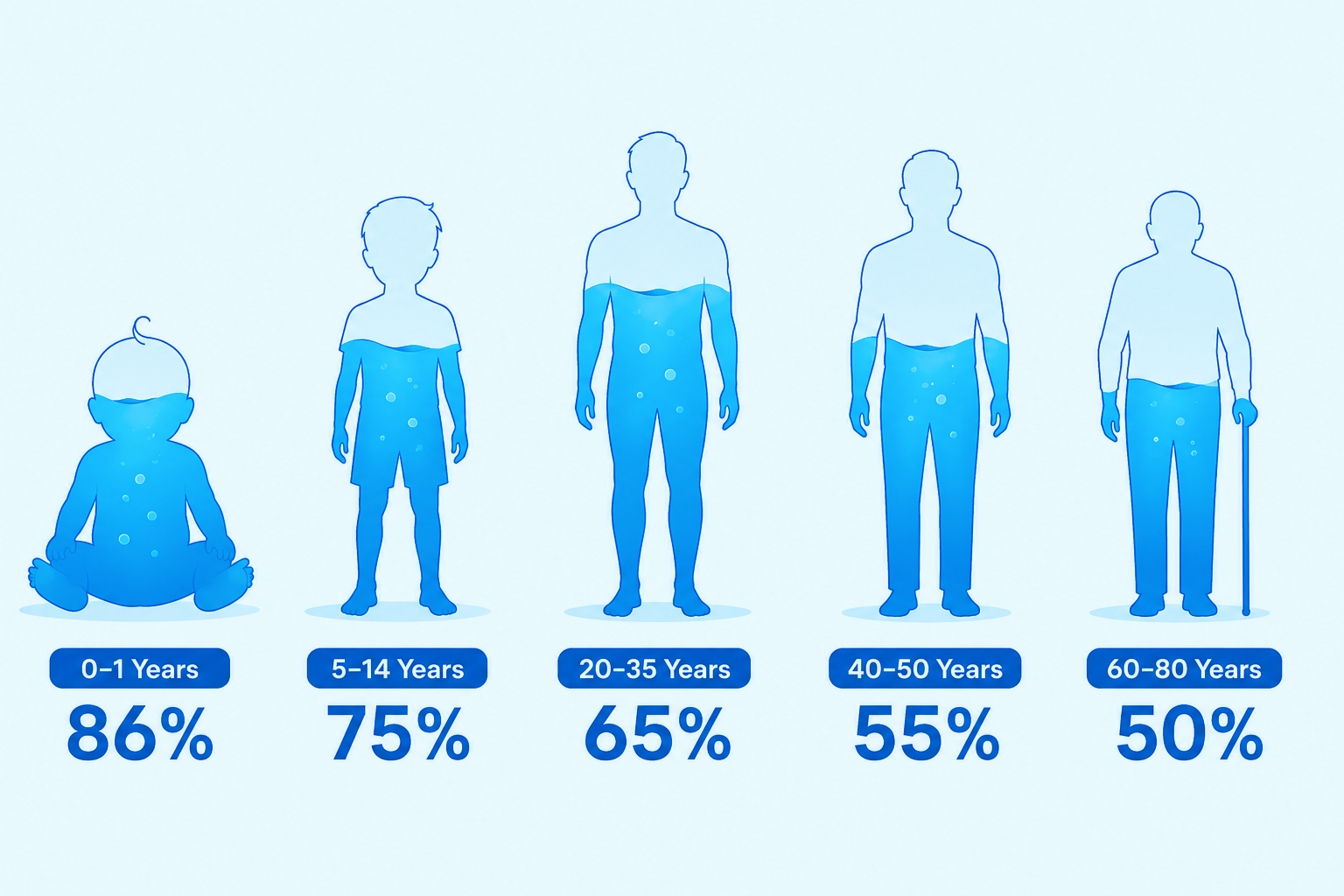
Approximate body water percentage by age group
Water Intake
This is STEP #1 to solving cramps — we’re mostly made up of water! 🌊 Dehydration causes cramps by reducing total blood flow to muscles, therefore creating electrolyte imbalances (low sodium/potassium) at the nerve itself, which in turn causes muscles to contract involuntarily and spasm (5). Edema (fluid buildup) in the lower leg, a common thing during pregnancy, can also cause cramps because of this imbalance (9). Staying hydrated can ironically help with edema too. Total daily water intake includes all drinks/foodstuffs — think of eating apples (86% water), lettuce (95%) or other snacks high in water vs crackers (3–5%).
Aim to drink for half your body weight (lbs) in oz of water. For some rough estimates here, if you weigh 133 lbs = 66 oz = 2 liters water each day, or 200 lbs = 100 oz = 3 L. During pregnancy, the ACOG recommends 64–96 oz (8–12 cups) of water daily (6). Staying hydrated supports digestion, decreases constipation, helps carry nutrients throughout the body, flushes out waste, and even creates the amniotic fluid surrounding the baby.
The Main Players: Magnesium, Potassium, Calcium & others…
Electrolytes are minerals that carry an electric charge when dissolved in body fluids such as blood (7). In both pregnancy and athletics you see increased electrolyte losses causing cramping or metabolic imbalances, especially from Magnesium, Potassium and Calcium deficiency (9). It’s super important to replace the electrolytes that you lose through lots of sweating when exercising and, well, all the extra bathroom trips from a pregnant compressed bladder.

Sodium: regulating fluid balance and blood pressure ✓
We mentioned pickle juice having immediate effects from the sour taste — however, salt water has its own benefits once ingested too. While it is true that excessive salt intake can cause high blood pressure, this only occurs when you take in a ton at one time causing an immediate increase. This is because salt is great at driving fluids into your system as we absorb them in the gut, and such a quick increase of fluids into the system will directly raise blood pressure. It can be a helpful tool for those with POTS condition where you get dizzy when standing up fast. So don’t worry, eating some salt with each meal or spacing it throughout the day should not have such a negative effect on your blood pressure, especially pregnant women who’s cardiovascular system is working overtime (as much as 50% more blood is being pushed through). Anyhow, we can take advantage of this mechanism to efficiently take in more fluids to stay even more hydrated, as do drinks like LMNT. Did you know that if you end up in the emergency room for dehydration they will likely give you saline solution to hydrate you better? Excessive salt intake can contribute to edema from the fluid retention or cause other systemic issues long-term, so don’t overdo it.
Magnesium: muscle relaxation, nerve function, blood sugar regulation, cramp reduction ✓
This is a fantastic starting point for helping cramps, especially since this essential mineral and a vital nutrient runs low in pregnancy and chronic illness. This can be a great next step (after #1 hydration) if your cramps persist. In addition to relaxing muscles, it can also help them use your blood sugar more efficiently and reduce lactic acid buildup (the reason we get soreness), which can also improve exercise performance (10). You don’t necessarily have to eat magnesium either. Epsom salt baths or topical lotions before bed can help prevent cramps and ease your muscles, especially when paired with a nice warm bath.
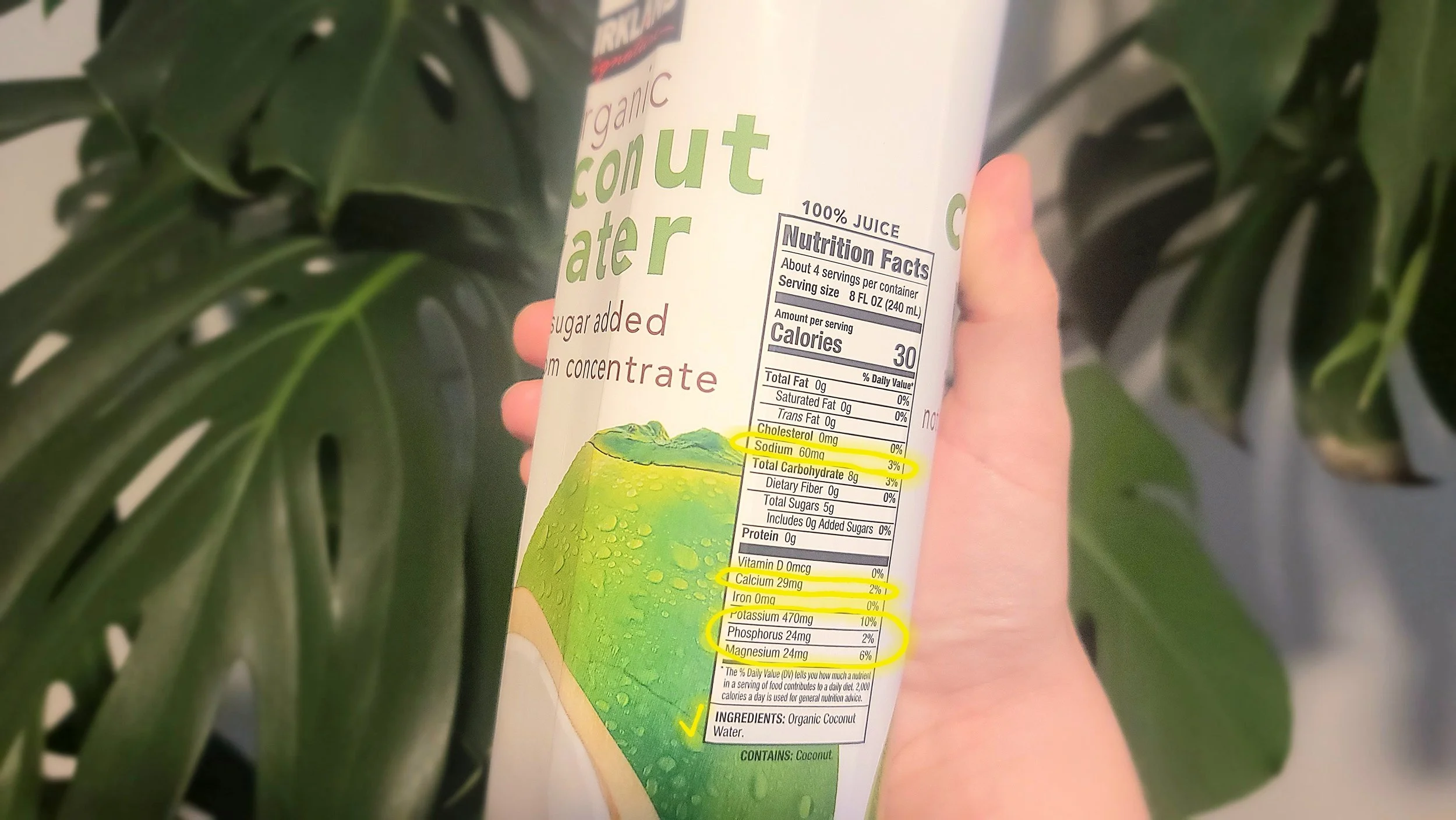
One ingredient, coconut water — it’s basically like nature’s IV drip 🥥🌴
Potassium: supporting muscle contractions, heart rhythm, and nerve signaling ✓
Your first thought was probably “bananas” 🍌 as these are a great source to replenish potassium. If levels that are too high or low can affect your heart rhythm, so the body tightly regulates potassium balance by using/storing it inside your cells and excreting any extra via the kidneys (11).
Calcium: from bone development to nerve function ✓
It can aid with muscle and nerve firing, heart rhythm, blood clotting, blood pressure regulation, hormone activity, and healthy fetal development during pregnancy. Did you know you, if you're not eating nearly enough calcium for building baby, your body will pull it from your bones, leading to much as 20% bone mass loss? Adding foods like farmer’s cheese or kefir can help increase calcium but also provide probiotics and dozens of beneficial bacteria which supports a healthy gut. These 2 foods also have a ton of protein to help maintain your energy in pregnancy or reach your gym gains.
Phosphate: energy production and fetal bone growth ✓
In our bodies, almost all phosphorus gets combined with oxygen to form phosphate, an electrolyte important for body function. About 85% of phosphate is stored in bones, while the rest is mainly inside cells where it helps produce energy. It’s also used in the cell for energy, building cell membranes, and DNA (7).
Bicarbonate: regulating the body’s pH during metabolic changes in pregnancy ✓
Not all of the carbon dioxide your body produces gets exhaled. Some is converted into bicarbonate, which helps maintain normal blood pH balance (12). Fun fact: when you hold your breath, rising carbon dioxide levels increase bicarbonate activity in your blood to help keep your pH stable. The same happens in your muscle’s metabolism during anaerobic exercise.
Chloride: maintaining fluid balance (with sodium) and acid-base balance ✓
It helps regulate fluid balance and blood volume by moving with sodium and water across cell membranes, and it helps maintain pH and electrical activity by balancing positive charges and participating in acid-base regulation. While all food/drink that you digest and ends up in your cells goes through super acidic stomach acid, our body cells will always maintain a pH of 7.2-7.4.
Mechanism of action: what do Electrolytes actually do?
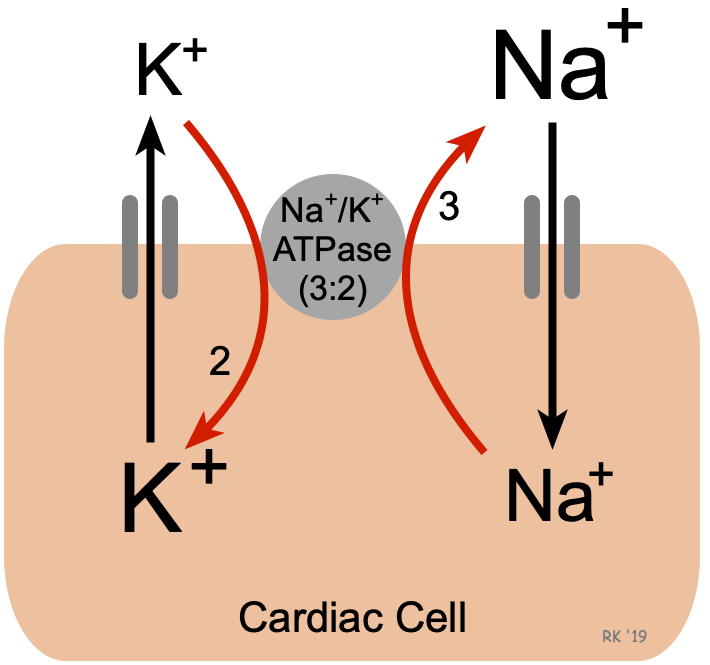
Heart cell membrane potential being maintained to -90 mV by having more positive ions outside
Our cells are all charged up! This is what allows our nerves to fire signals, muscles to create responses, etc. This is how these things talk to each other. There are pumps on the surface of every cell in your body constantly working to maintain/reset an electrical potential difference. This difference is what allows the cell/nerve/muscle to fire again.
For example, heart cells have a voltage difference across the membrane where the inside of the cell is more negative (-90 mV) than the outside due to unequal distribution of these ions that come from the electrolytes we drink. You may remember from high school biology that a pump transports 3 sodium ions (Na⁺) out of the cell and 2 potassium ions (K⁺) into the cell for each ATP “energy” molecule used (8). Chloride (Cl⁻) movement is balanced by opposite movement of Na⁺ or K⁺ to maintain electrical neutrality. Calcium helps muscles contract by turning on the interaction between muscle fibers that creates movement — without this mechanism of calcium balance and ATP/energy production, your muscles would be rigid and unmoving (aka rigor mortis).
What about Sugar?
For our athletes, remember that while you are losing lots of electrolytes, it’s the loss of blood sugar that screws up your marathon. So make sure to eat plenty to have energy to make it to the finish line! Sugars include carb snacks along the way. Sugar is delicious and our muscles can use it for energy right after eating, but so does our brain! While only ~2% of your body weight, the brain eats up 20-25% of the body's sugar (glucose) energy (13)! That’s my excuse for bribing myself into studying more with sweet lattes during final exams. Anyhow, an excess of anything can be bad.
Personal preference:
So should you avoid sugary electrolyte drinks like Gatorade? In my first trimester there was a week or two where I heavily relied on orange Gatorade and fruit for my total daily water intake amidst the nausea and vomiting which caused even more dehydration. At that point all fluids were a win. Also, plain water may make you feel nauseous, especially in that 1st trimester. Now in my 3rd trimester I'm finding that I am enjoying eating some sugar and would prefer not to drink as much without necessity — I can’t refuse a fresh chocolate croissant, plus I’m eating a lot of date fruits as we approach labor.
Artificial Sweeteners:
These are waaay sweeter than sugar so just a teeny bit is enough to sweeten foods, hence the fewer calories seen on these labels vs foods made with sugar. Artificial sweeteners don't affect blood sugar, and diabetics can use them. However, keep in mind that these foods/drinks may include other ingredients that could affect your blood sugar. Some research suggests eating artificially sweetened foods may not be as beneficial as once thought, especially with daily use (3). For example, studies suggest that consuming aspartame, a common sweetener, over long periods can harm nerves. This includes damage to the protective myelin coating around nerve fibers and changes in nerve-supporting cells — such demyelination is the exact opposite of what we are trying to achieve when building an entire new nervous system in the womb (4).
Other Considerations
Muscle cramps are very common, but certain factors can make them more frequent or severe. In addition to what was discussed here, risk also increases with calf muscle tightness, vitamin D🌞deficiency, nerve disorders, hypothyroidism and other hormonal disorders, alcohol abuse, dialysis, certain diseases, and using certain medications including but not limited to diuretics that make you pee (9). Your body didn’t come with an instruction manual — so listen to it, and work with your doctor to figure out what keeps it running smoothly.
🌊🌞🍌🥥🌴
References:
Bordoni B, Goldin J, Sugumar K. Muscle Cramps. [Updated 2025 Sep 14]. In: StatPearls [Internet]. Treasure Island (FL): StatPearls Publishing; 2026 Jan-. Available from: https://www.ncbi.nlm.nih.gov/books/NBK499895/
What Causes Leg Cramps in Pregnancy? | UNM Health Blog | Albuquerque, New Mexico https://unmhealth.org/stories/2021/06/leg-cramps-during-pregnancy.html
Mayo Clinic. “Artificial Sweeteners and Other Sugar Substitutes.” Mayo Clinic. https://www.mayoclinic.org/diseases-conditions/diabetes/expert-answers/artificial-sweeteners/faq-20058038. Accessed 12 May 2026.
Okasha EF. Effect of long term-administration of aspartame on the ultrastructure of sciatic nerve. J Microsc Ultrastruct. 2016 Oct-Dec;4(4):175-183. doi: 10.1016/j.jmau.2016.02.001. Epub 2016 Feb 15. PMID: 30023225; PMCID: PMC6014252.
Lau WY, Kato H, Nosaka K. Water intake after dehydration makes muscles more susceptible to cramp but electrolytes reverse that effect. BMJ Open Sport Exerc Med. 2019 Mar 5;5(1):e000478. doi: 10.1136/bmjsem-2018-000478. Erratum in: BMJ Open Sport Exerc Med. 2019 Apr 11;5(1):e000478corr1. doi: 10.1136/bmjsem-2018-000478corr1. PMID: 30899546; PMCID: PMC6407543.
American College of Obstetricians and Gynecologists. “How Much Water Should I Drink During Pregnancy?” ACOG, https://www.acog.org/womens-health/experts-and-stories/ask-acog/how-much-water-should-i-drink-during-pregnancy. Accessed 12 May 2026.
Lewis, J. L. III. (2025). Overview of phosphate’s role in the body. Merck Manual Consumer Version. Merck Manual. https://www.merckmanuals.com/home/kidney-and-urinary-tract-disorders/electrolyte-balance/overview-of-phosphate-s-role-in-the-body
Klabunde, R. E. (n.d.). Cellular electrophysiology: Ionic basis of the resting membrane potential. Cardiovascular Physiology Concepts. https://www.cvphysiology.com/Arrhythmias/A007b.htm
Merck Manual Professional Version. (2025). Muscle cramps. Merck Manual. https://www.merckmanuals.com/home/brain-spinal-cord-and-nerve-disorders/symptoms-of-brain-spinal-cord-and-nerve-disorders/muscle-cramps?query=magnesium%20cramps#Causes_v6592945
Moretti A. What is the role of magnesium for skeletal muscle cramps? A Cochrane Review summary with commentary. J Musculoskelet Neuronal Interact. 2021 Mar 1;21(1):1-3. PMID: 33657750; PMCID: PMC8020016.
Lewis, J. L. III. (2025). Overview of potassium’s role in the body. Merck Manual Consumer Version. https://www.merckmanuals.com/home/kidney-and-urinary-tract-disorders/electrolyte-balance/overview-of-potassium-s-role-in-the-body
Cleveland Clinic. (2022). Electrolytes. Cleveland Clinic. https://my.clevelandclinic.org/health/diagnostics/21790-electrolytes
Mergenthaler P, Lindauer U, Dienel GA, Meisel A. Sugar for the brain: the role of glucose in physiological and pathological brain function. Trends Neurosci. 2013 Oct;36(10):587-97. doi: 10.1016/j.tins.2013.07.001. Epub 2013 Aug 20. PMID: 23968694; PMCID: PMC3900881.
